How to Get Rid of Dark Spots & Acne Marks on Brown Skin
If your pimples have cleared but left behind dark marks or you're dealing with patches of uneven skin tone here's the honest answer first:
Dark spots fade with two things: the right brightening ingredient, and daily sunscreen. That's the real combination. No cream works without sun protection, because the sun darkens marks faster than any product can fade them.
Let's break down what actually works for brown skin, and which product fits your specific concern.
Why brown skin holds onto dark spots longer
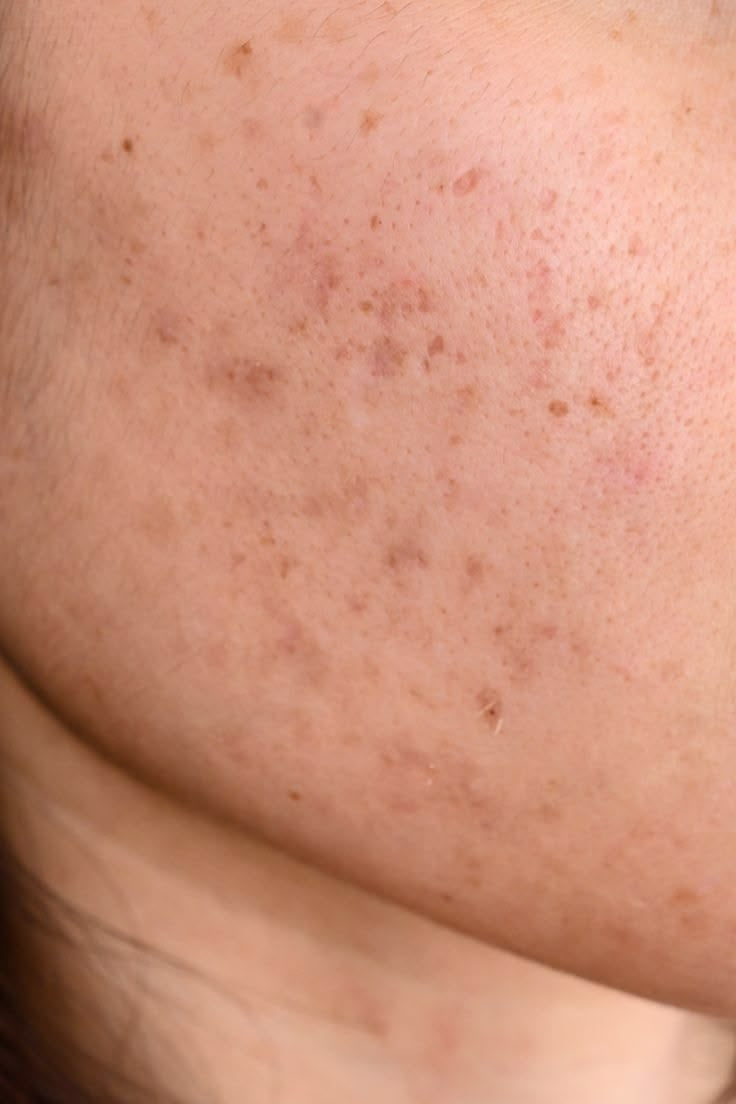
Brown and South Asian skin has more active melanin. That's great for natural sun protection, but it also means our skin reacts to any inflammation a pimple, a scratch, a harsh product by producing extra pigment. That leftover pigment is what you see as a dark mark.
This is called post-inflammatory hyperpigmentation, and it's the reason a single pimple can leave a spot that lasts for months. The good news: these marks do fade with the right care and patience.
First, know what kind of pigmentation you have
The right treatment depends on what you're dealing with:
Acne marks (dark spots) flat brown or reddish marks left behind after a pimple heals. These fade with brightening ingredients and time.

Sun spots & tanning darkening from sun exposure, usually on the cheeks, nose, and forehead. Prevented and improved with SPF and antioxidants.

Melasma larger symmetrical patches, often on the cheeks and upper lip, common in women and often triggered by hormones, pregnancy, and sun. This one is stubborn and needs strict sun protection — and often a dermatologist's help.

Acne scars (not marks) if the mark is a dent or indent in the skin rather than a flat dark spot, that's a scar, not pigmentation. Topicals can't fully fix scars those need professional treatments like microneedling.

If you're not sure whether it's a mark or a scar: run your finger over it. If the skin is smooth and only the colour is different, it's a mark, and skincare can help.
The brightening ingredients that actually work
You don't need all of these pick based on your concern:
Alpha Arbutin: gentle and effective at fading dark spots and evening tone. A great all-rounder for acne marks.
Tranexamic Acid + Niacinamide: excellent for stubborn pigmentation and melasma. Works on the marks while strengthening the skin.
Vitamin C: brightens overall dullness, fades marks, and adds glow. Best used in the morning as it also protects against daily damage.
A gentle brightening cleanser: a good first step that works on tone while you cleanse.
One important rule: don't use multiple strong brightening actives at once. Pick one, stay consistent, and give it time. Layering three brighteners won't fade spots faster it'll just irritate your skin, which (on brown skin) can cause more darkening.
The simple dark-spot routine
Morning
- Brightening or gentle cleanser
- Vitamin C serum brightens and protects
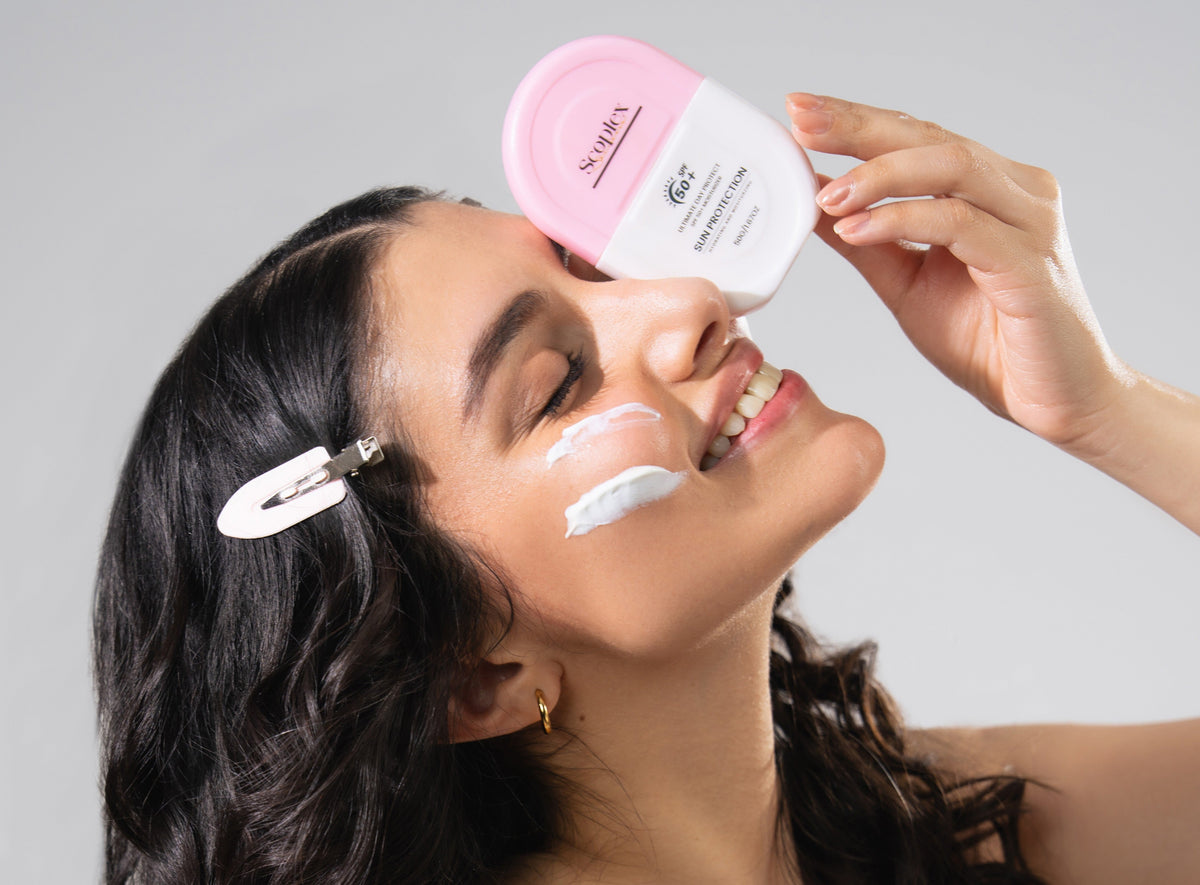
- SPF 50 the step that makes everything else work
Night
- Cleanser
- Your brightening treatment Alpha Arbutin or Tranexamic Acid + Niacinamide
- Moisturizer
Simple, consistent, and sunscreen every single morning.
Why sunscreen is the whole game
If you take one thing from this article: brightening products barely work without daily SPF. Every time your marks are exposed to the sun, they get darker faster than your serum can fade them. You end up running in place.
Sunscreen every morning, even indoors and in winter, is what lets your dark spots actually fade. It's not optional for pigmentation it's the main event.
(Want to choose the right one? Read: Best Sunscreen for Pakistani Skin.)
How long does it take?
Be realistic: dark spots take 8 to 12 weeks to visibly fade sometimes longer for deep or old marks. Take a photo when you start so you can actually see the progress, because day-to-day it's hard to notice.
A word on "whitening" creams please be careful
A lot of creams in Pakistan promise to make you "fair" overnight. Many unregulated whitening and "formula" creams have been found to contain mercury and steroids, which damage your skin barrier and can cause permanent harm.
There's a big difference between brightening (fading dark spots and evening your tone with safe ingredients) and bleaching (forcing your skin lighter with harsh chemicals). Healthy skincare brightens and evens it doesn't bleach. Be wary of anything promising instant fairness.
What NOT to do
- Don't use lemon or baking soda on dark spots. Lemon especially makes pigmentation worse in the sun.
- Don't skip sunscreen and expect any brightening product to work.
- Don't pick at acne it's the number one cause of new dark marks.
- Don't expect overnight results. Pigmentation is a patience game.
Quick FAQs
Can I use Vitamin C and Niacinamide together?
Yes, they're safe together and both support brighter, more even skin.
Alpha Arbutin or Tranexamic Acid which is better?
Alpha Arbutin is great for general acne marks; Tranexamic Acid is better for stubborn pigmentation and melasma. Use one, not both at once.
Do dark spots come back?
If you stop using sunscreen, yes - new sun exposure creates new pigmentation. SPF keeps results lasting.
Build your brightening routine with Scoplex