Stay Protected Outdoors with Scoplex SPF 50+ Moisturizer
If you're trying to pick a sunscreen and feeling lost, here's the simple answer:
For Pakistani skin, use a broad-spectrum SPF 50, every single morning, rain or shine, indoors or out. That one habit does more for your skin than almost any other product it prevents tanning, dark spots, premature ageing, and keeps every other skincare step actually working.
Here's how to choose the right one and use it properly.
Why sunscreen matters so much in Pakistan
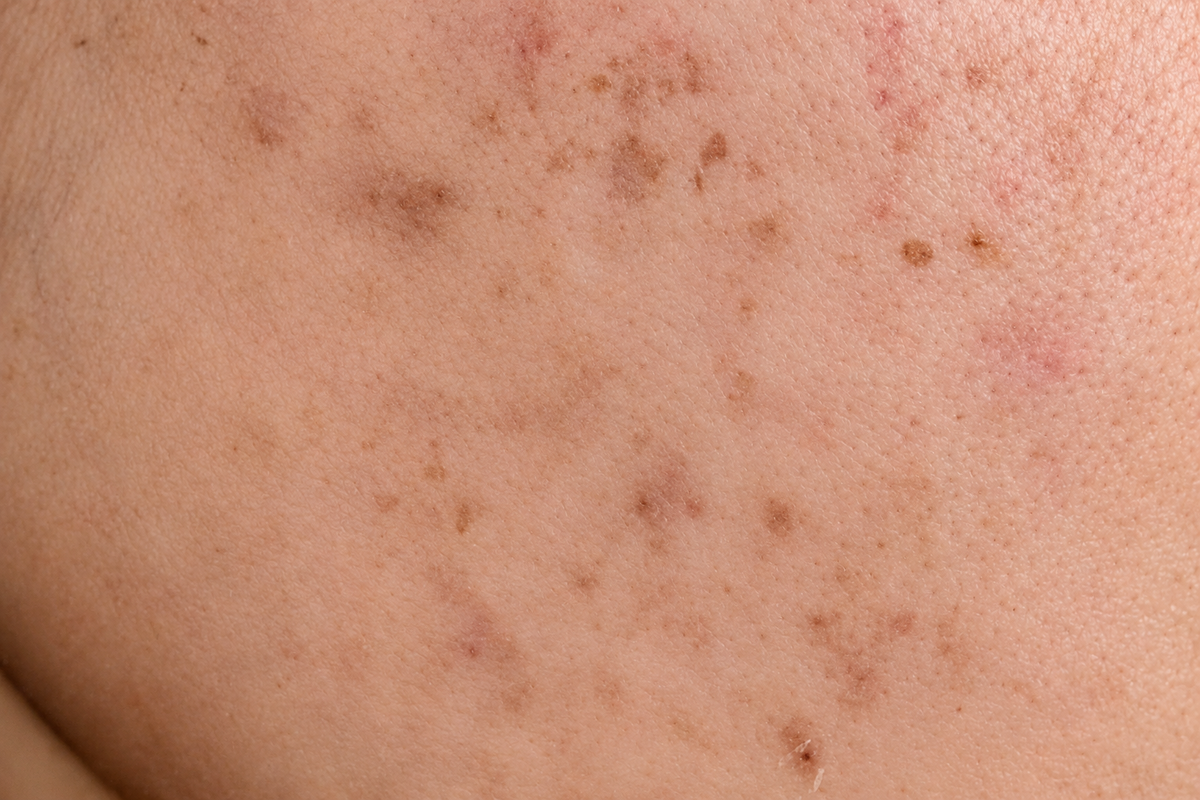
Pakistan gets intense sun. In summer, the UV index in cities like Lahore and Karachi regularly hits "extreme" levels. That strong sun is the number one cause of tanning, dark spots, melasma, and early wrinkles especially on brown skin, which reacts to sun by producing more pigment.
So if you care about even skin tone, fading dark marks, or just keeping your skin healthy, sunscreen isn't a "nice to have." It's the foundation.
SPF and PA: what the numbers actually mean
SPF measures protection against UVB rays (the ones that burn and tan). SPF 30 blocks about 97%, SPF 50 blocks about 98%. For Pakistan's strong sun, SPF 50 is the sensible choice.
Broad spectrum / PA++++ means it also protects against UVA rays the ones that cause ageing and deep pigmentation. Always look for "broad spectrum" on the label. This matters just as much as the SPF number.
How to choose a sunscreen for your skin type
Oily / acne-prone skin → a lightweight, non-greasy, non-comedogenic SPF (won't clog pores). Gel or fluid textures feel best in the heat.
Dry skin → a hydrating SPF with moisturizing ingredients so skin doesn't feel tight.
Sensitive skin → a gentle, fragrance-free formula.
Pigmentation or melasma-prone skin → SPF 50 is essential, and some sunscreens add ingredients that support an even tone while they protect.
The "no white cast" problem on brown skin
If you've ever put on sunscreen and looked grey or ashy, you've met the white cast and it's a real reason people skip SPF. Brown skin needs a formula that blends in without leaving a pale film.
Lightweight, well-formulated sunscreens absorb cleanly and don't leave that grey layer. The right SPF should disappear into your skin, not sit on top of it.
How to use sunscreen properly
Most people don't use enough, which is why they still tan.
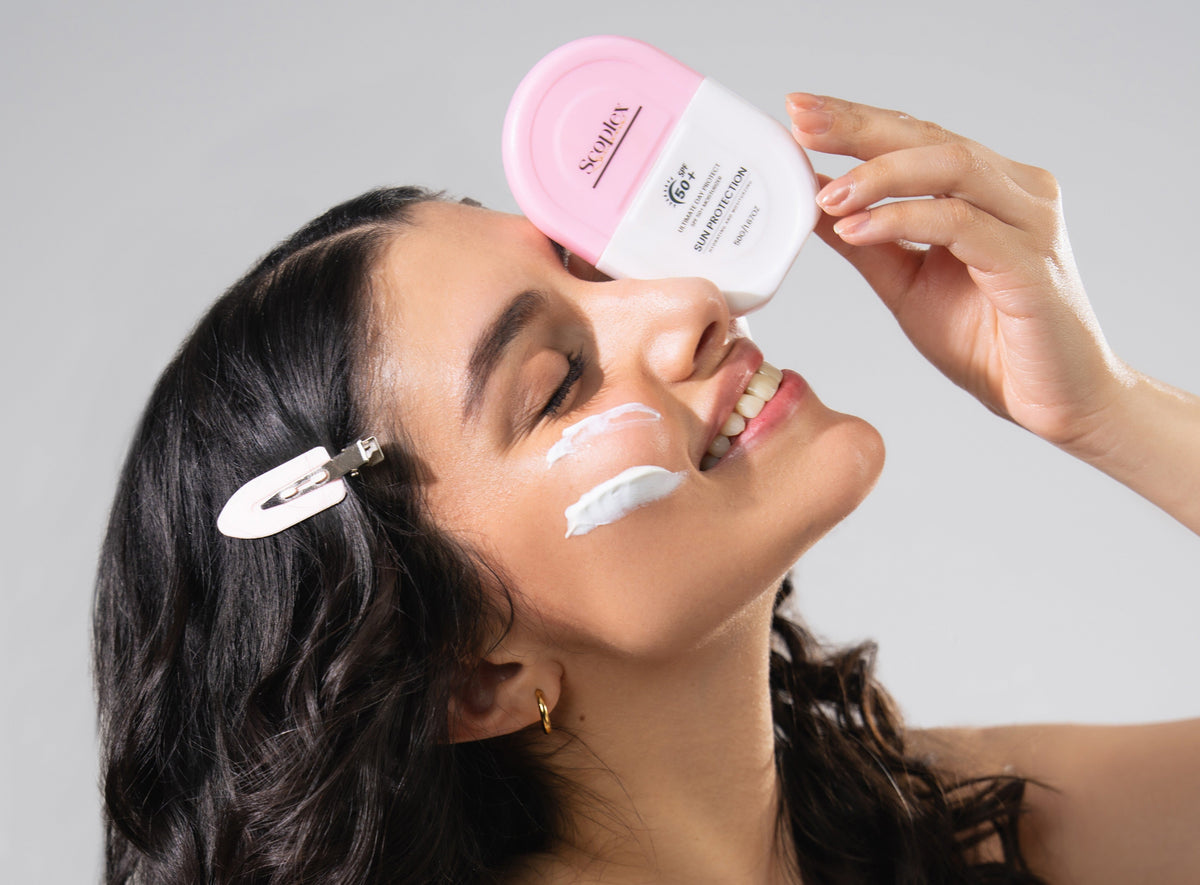
- Use two fingers' worth for your face and neck — a thin layer isn't enough.
- Apply it as the last step of your morning routine, after moisturizer.
- Reapply every 2–3 hours if you're outdoors or sweating.
- Over makeup? Use an SPF spray or powder to top up, or carry your sunscreen for a midday reapply.
"But do I need it indoors? In winter? On cloudy days?"
Yes — and here's why this trips everyone up:
Indoors: UVA rays pass through windows. If you sit near one, or commute in a car, you're getting sun exposure.
Winter & cloudy days: up to 80% of UV rays pass through clouds. The sun doesn't switch off because it's cold or grey.
Smog days: pollution doesn't block UV — and the pollution itself adds to pigmentation and dullness.
The simplest rule: if it's daytime, wear sunscreen. Every day, no exceptions.
Can sunscreen prevent tanning?
Yes — consistent, properly applied sunscreen is the single best way to prevent tanning. It won't block 100% of the sun, but daily SPF 50 dramatically reduces how much your skin darkens.
The catch is using enough and reapplying. A thin layer in the morning that's never topped up is why many people still tan despite "wearing sunscreen."
How to reduce the appearance of a tan safely?
If you're already tanned, don't reach for harsh bleaching remedies. A tan fades as your skin naturally renews. You can gently support that process:
- Keep wearing SPF daily so you're not adding more tan on top.
- Use a brightening cleanser and Vitamin C to support a more even tone over time.
- Gentle exfoliation (like AHA/BHA toner pads 2–3 times a week) helps your skin renew.
- Be patient a tan fades gradually over a few weeks with consistency.
Please avoid these "quick fixes"
- Lemon, baking soda, and bleach these burn and damage your skin, and lemon makes pigmentation worse in the sun.
- Instant "whitening" creams many unregulated ones contain mercury or steroids that harm your skin. Safe brightening fades tan and marks gradually; it doesn't bleach your skin overnight.
There's a difference between helping your skin return to its natural even tone and trying to force it lighter. Go for the first.
Removing your sunscreen at night
Sunscreen (and the sweat and pollution of a Pakistani day) needs proper removal. A cleansing balm or oil-based cleanser melts it away first, followed by your regular cleanser — a simple double cleanse. This keeps your pores clear and prevents the breakouts that come from leftover product.
Quick FAQs
Is SPF 50 better than SPF 30?
For Pakistan's strong sun, yes SPF 50 gives you more buffer, especially since most people apply too little.
Can sunscreen cause pimples?
A heavy or greasy one can. Choose a lightweight, non-comedogenic SPF if you're acne-prone.
Does sunscreen stop tanning completely?
No product blocks 100%, but daily SPF 50, properly applied, prevents most tanning.
Dealing with dark spots too? Read: How to Get Rid of Dark Spots & Acne Marks